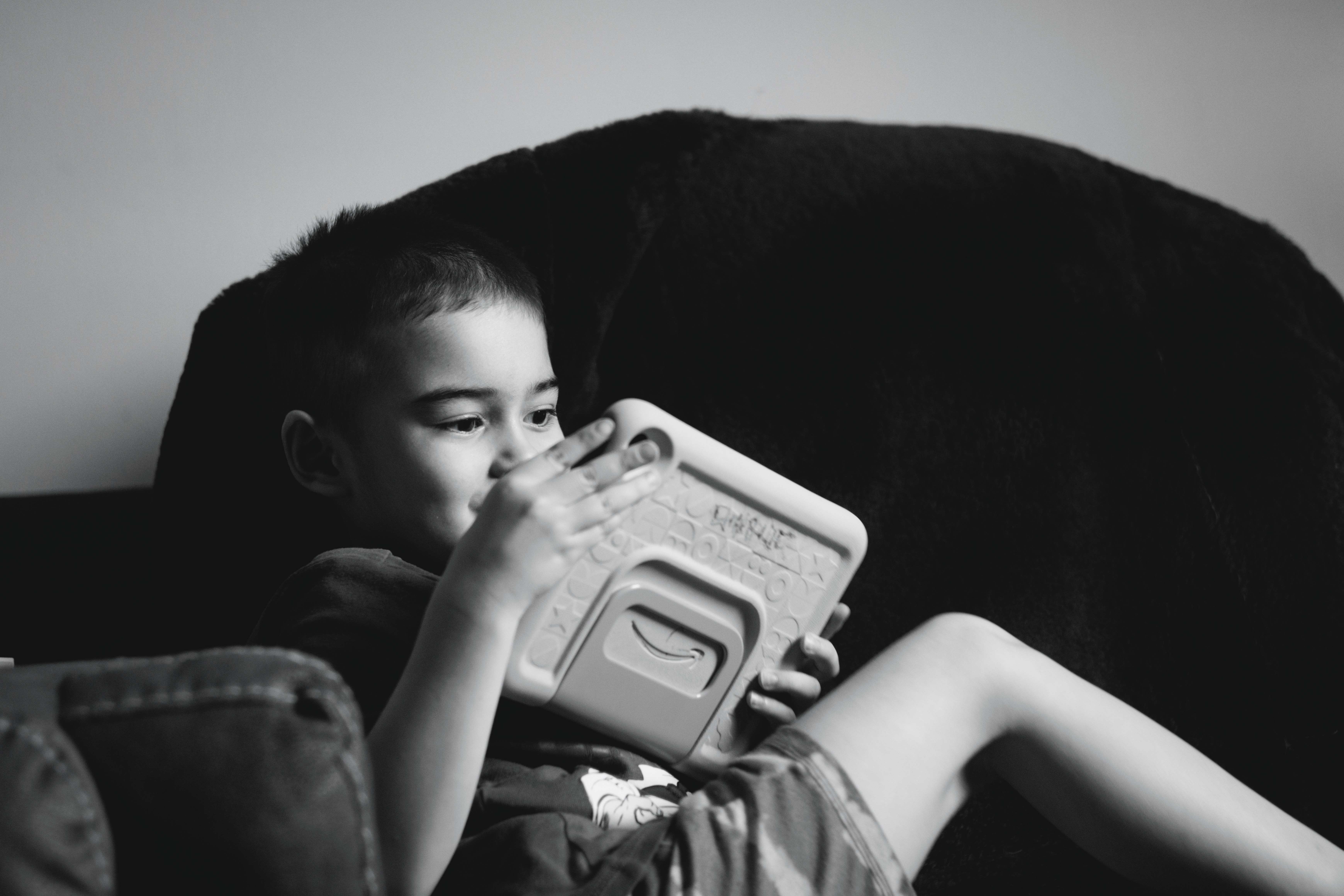
Screen time is a reality in many homes. Parents use phones, tablets, and TVs for all sorts of reasons, from video calls with whānau to a few quiet minutes while dinner is being made. The challenge is not always removing screens completely. More often, it is helping children build healthy boundaries around when screens are used, how long they are used for, and what comes next.
At Koru Kids, our learning environment is screen-free. Tamariki learn through play, relationships, movement, creativity, nature, and hands-on discovery. This guidance is for parents and whānau managing screen time at home, while staying connected to the same play-based values we nurture every day at the centre.
Why screen habits matter in the early years
Young children are still learning how to manage emotions, attention, transitions, and routines. Screens can be highly engaging, which is why stopping can sometimes feel hard. A child may become upset when a device is turned off, especially if they are tired, hungry, overstimulated, or close to bedtime.
That does not mean every screen moment is harmful. A short video call with grandparents, a shared educational clip, or a calm family movie can all have a place in home life. What matters most is that screen time does not crowd out the experiences children need most: conversation, movement, outdoor play, rest, imaginative play, and connection with the people around them.
Keep screen time active, shared, and intentional
For young tamariki, screen time works best when adults stay involved. Sitting beside your child, asking questions, talking about what they are seeing, and linking it back to real life can make the experience more connected and less passive.
Helpful prompts might include:
- What do you notice?
- How do you think that character is feeling?
- Have we seen something like that outside or at kindy?
- What could we make, draw, build, or act out after this?
Create clear and predictable boundaries
Children often cope better when screen rules are simple and consistent. Instead of negotiating every time, try setting clear expectations before the screen goes on. You might decide that screens are only used after afternoon tea, not during meals, or not in the hour before bedtime.
Visual or verbal countdowns can also help. Let your child know, "One more episode, then we are turning it off and going outside," or "When this timer finishes, the tablet goes away." The goal is to make the transition feel expected rather than sudden.
Make the next activity easy to move into
One of the simplest ways to reduce screen-time struggles is to have the next activity ready. After a screen is turned off, children often need something concrete to move toward. Blocks, drawing, water play, music, a walk, helping with dinner, or reading together can help them reconnect with their body, senses, and surroundings.
This is where play-based learning is so powerful. Tamariki processes ideas through doing. When they can move, touch, create, climb, imagine, talk, and explore, they are developing the foundations for communication, confidence, problem solving, and social connection.
Protect sleep and calm routines
Evening screen time can make bedtime harder for some children, particularly if the content is fast-paced or emotionally intense. If bedtime is becoming unsettled, try creating a screen-free wind-down routine. A bath, books, quiet play, waiata, or a short cuddle can help the body and mind shift into rest.
This does not need to be perfect every night. Small, repeatable routines are often more helpful than strict rules that are difficult for the whole whānau to maintain.
Model the balance you want children to learn
Children notice how adults use screens too. Putting your phone aside during meals, outdoor play, or bedtime shows children that devices have a place, but they do not need to be present all the time. Even short moments of undivided attention can help children feel connected and secure.
Koru Kids' screen-free approach
At Koru Kids, tamariki do not use screen time within the centre. Our focus is on real-world, hands-on learning across our Te Aroha, Mahira, and Pakiki rooms. Children are supported by kaiako to explore, ask questions, build relationships, and learn through meaningful play.
We know technology is part of the world children are growing up in, but in the early years, we believe the strongest foundations are built through connection, curiosity, movement, and play. For parents managing screens at home, the same idea can help: keep screens in balance, protect time for play, and choose routines that support your child to thrive.
If you have questions about our screen-free, play-based approach, visit our FAQs, or book a tour today to discover how Koru Kids Early Learning Centre supports tamariki through hands-on learning, strong relationships, and everyday play.