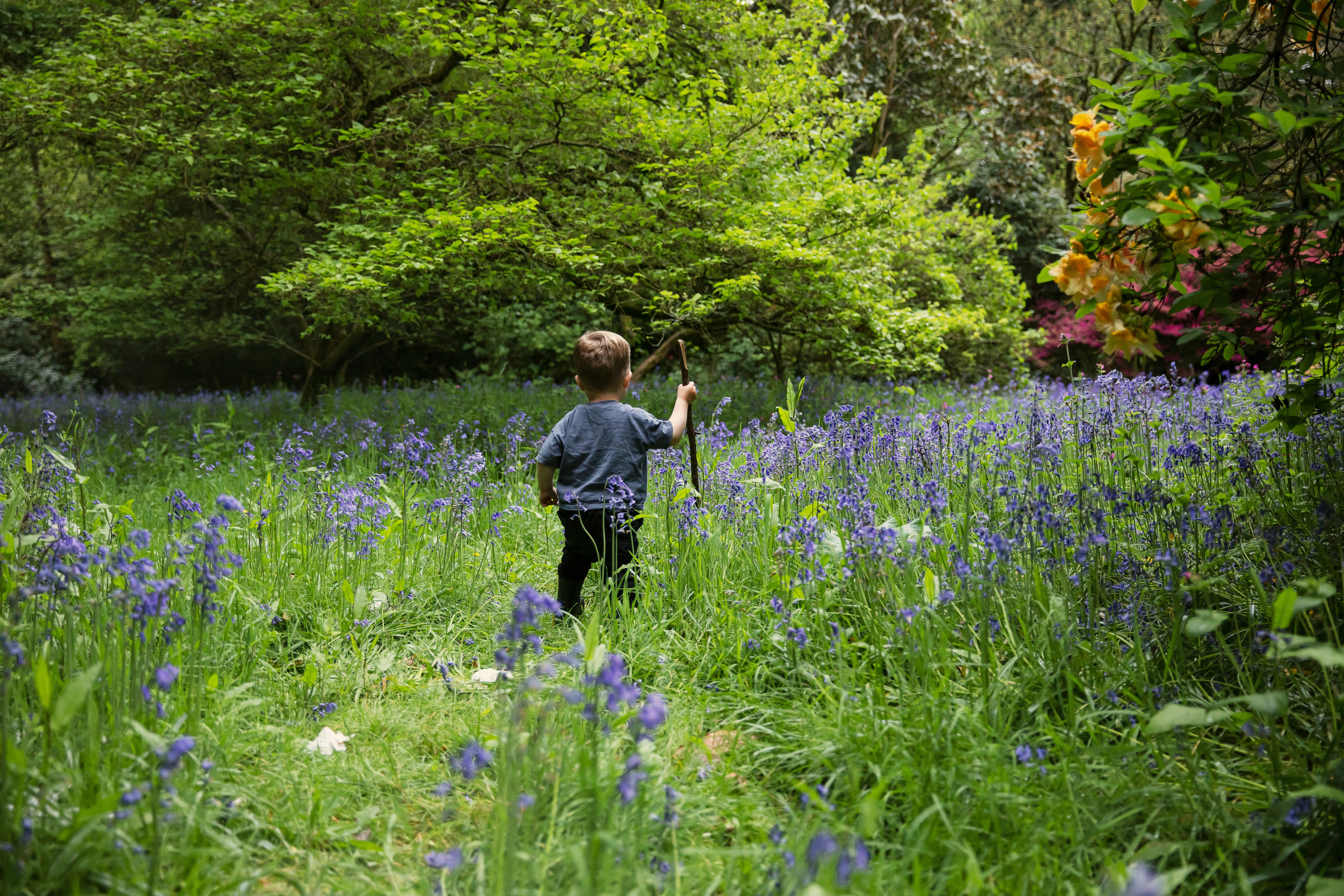
If you’ve ever watched your child outside for more than five minutes, you’ll know what an awesome combination imagination + nature is. A stick transforms into a sword, a puddle becomes a cauldron, grass is an ingredient, sprinkle or simply something to roll around on. It might look like free play, but there’s a lot going on in these creative, explorative moments.
At Koru Kids Early Learning Centre, the time that we spend outdoors isn’t just a break from what we do inside; it’s an integral part of our environment, and plays a large role in how our tamariki learn, move, and make sense of the world around them.
The benefits of early childhood outdoor education
Through New Zealand’s ECE curriculum Te Whāriki, “nature play” is aligned with the idea that children learn best when they’re active, curious, and connected to their environment. Nature play is exactly what it sounds like - children spending time outdoors and using natural materials as part of their play.
While our indoor spaces are expertly curated to offer tamariki a wide range of experiences, nature play for children engages the senses in a way that indoor environments can’t replicate.
Outdoor play grows healthy bodies
Running, climbing, balancing, and lifting are part and parcel of playing outside, and those gross motor skills are great for strength and coordination. Uneven ground and changing surfaces encourage children’s proprioception, their awareness of their body position, all of which supports healthy development.
Outdoors also brings an element of measured risk, within the realms of what is appropriate from a health and safety perspective. Stepping across something wobbly or climbing a little higher than before gives children opportunities to build confidence in their abilities.
Learning alongside others
Visit any early childhood centre with an outdoor space, and you’ll notice that tamariki play together without the need for much direction.
They work together to build something new, share materials, or figure out how to solve a problem as a group. These micro moments of learning all support the development of communication and cooperation skills.
In terms of child development through nature, playing outdoors is also wonderful for emotional regulation. Fresh air and open spaces have a natural ability to help children reset, which is especially important on days that they’re feeling overwhelmed or unsettled.
What nature play looks like at Koru Kids
Outdoor, nature based learning is a part of the day across all age groups at Koru Kids. As always, kaiako are there to support, noticing what children are interested in, asking questions, and helping extend learning.
In Te Aroha (0-2 years), children are exposed to new sensory experiences, exploring sounds, textures, and space.
In Mahira (2-3.5 years), curiosity starts to lead the way, with children exploring more independently.
In Pakiki (3.5-5 years), play becomes more collaborative as children work together and take more ownership of what they’re doing outdoors.
If you’d like to learn more about how Koru Kids incorporates outdoor learning into each day, you can find more information in our FAQs.
Book a tour today to see our play-based, outdoor learning environment in action.