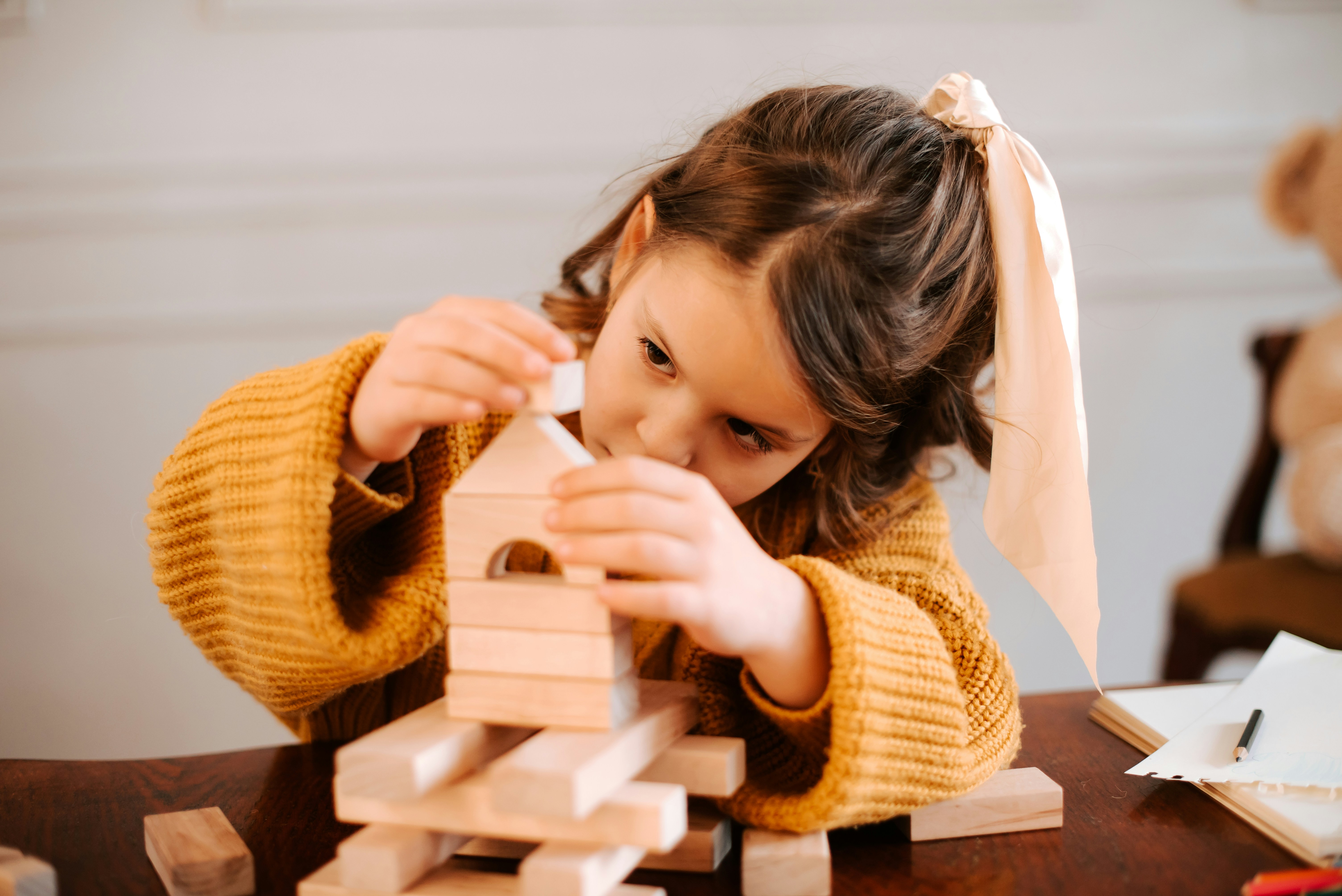
At Koru Kids Early Learning Centre in Papatoetoe, play isn’t a break from learning, it is learning. It’s how our tamariki build confidence, test ideas, practise relationships, and begin to understand how the world works. And it’s not just our own approach to education, it’s backed by research in early childhood development.
Benefits of play-based learning
Play-based learning lets children learn by doing things themselves, at their own pace, with guidance there if and when they need it. Unlike the experience most of us grew up with, of being rushed from one activity to the next, children are given time to explore, repeat, change direction, and circle back to their ideas.
It’s also the approach reflected in Te Whāriki, New Zealand’s early childhood curriculum, which recognises the benefits to cognitive development through play. Children learn best when they feel secure, supported, and engaged in what they’re doing. Multiple studies have shown the power of play in early learning; that it helps develop thinking skills, language, emotional awareness, coordination, and social understanding.
Spend a morning at our early learning centre, and you’ll see lots of different types of play. Sometimes it’s noisy and physical. Sometimes it’s messy. Sometimes it’s quiet. Usually, it’s a bit of all of the above! And that variety is important too.
Imaginative play gives children a way to explore ideas and experiences they’re trying to make sense of. Physical play supports strength, balance, and coordination, but also helps children learn what their bodies can do and where their limits are. Social play teaches turn-taking, listening, negotiating, and repairing friendships when things don’t go smoothly.
It’s all part of what makes our tamariki well-rounded and resilient.
Play is part of daily life at Koru Kids
What play looks like in each of our classes is based on what is developmentally appropriate for each age group.
In Te Aroha (0-2 years) infants and toddlers explore through movement, touch, sound, and repetition. Kaiako focus on building trust, responding to cues, and supporting early communication and attachment.
In Mahira (2-3.5 years) children are encouraged to explore their curiosity. Play supports language growth, early friendships, independence, and a sense of “I can do this myself”.
In Pakiki (3.5-5 years) play becomes more collaborative. Children ask questions, test ideas, and work through problems together, building confidence as they prepare for school.
In all our rooms, children experience a mix of free play and prepared spaces designed by our kaiako. As adults, we’re here to work side-by-side with tamariki as opposed to a traditional top-down approach.
Supporting play at home
If you ever feel pressure to “do more” at home, it’s worth remembering that play doesn’t need to be complicated or expensive. Some of the most useful learning happens in mundane moments, so involve them in cooking, sorting, washing or tidying up. Talk with them about what you’re doing, and offer them open-ended items like boxes or blocks instead of toys that are designed to be stimulating.
See play for what it really is
At Koru Kids, we’ve seen firsthand how play shapes the way our children relate to others, approach problems, and see themselves as learners. It might not be easy to track on a graph or spreadsheet, but we see the benefits every day in the families who trust us with their tamariki.
Want to learn more? We answer common questions in our FAQs, or why not book a visit to our Papatoetoe Early Learning Centre to see how play-based learning works in practice? We look forward to meeting you.